Masseria Strazzati

Masseria Strazzati

19 November 2025 2025-12-16 17:27

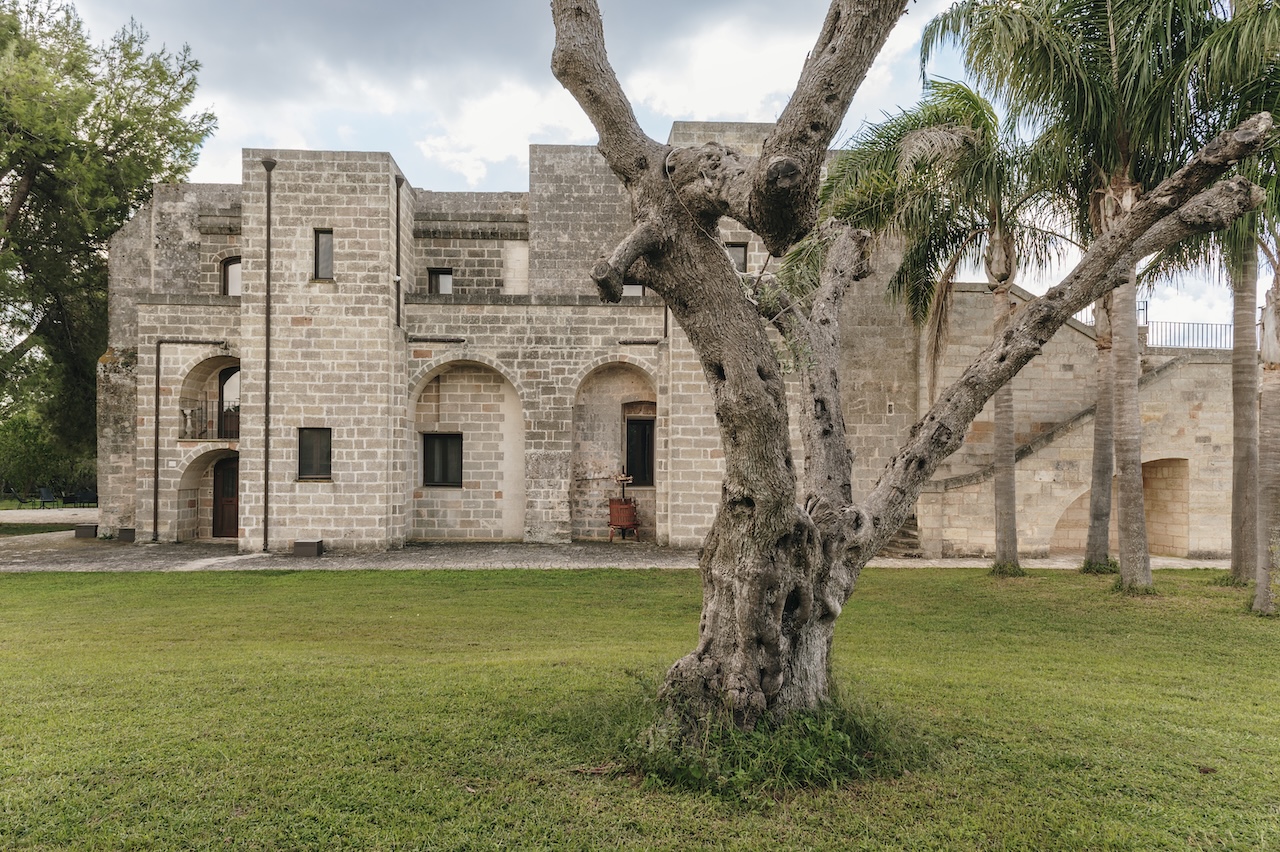
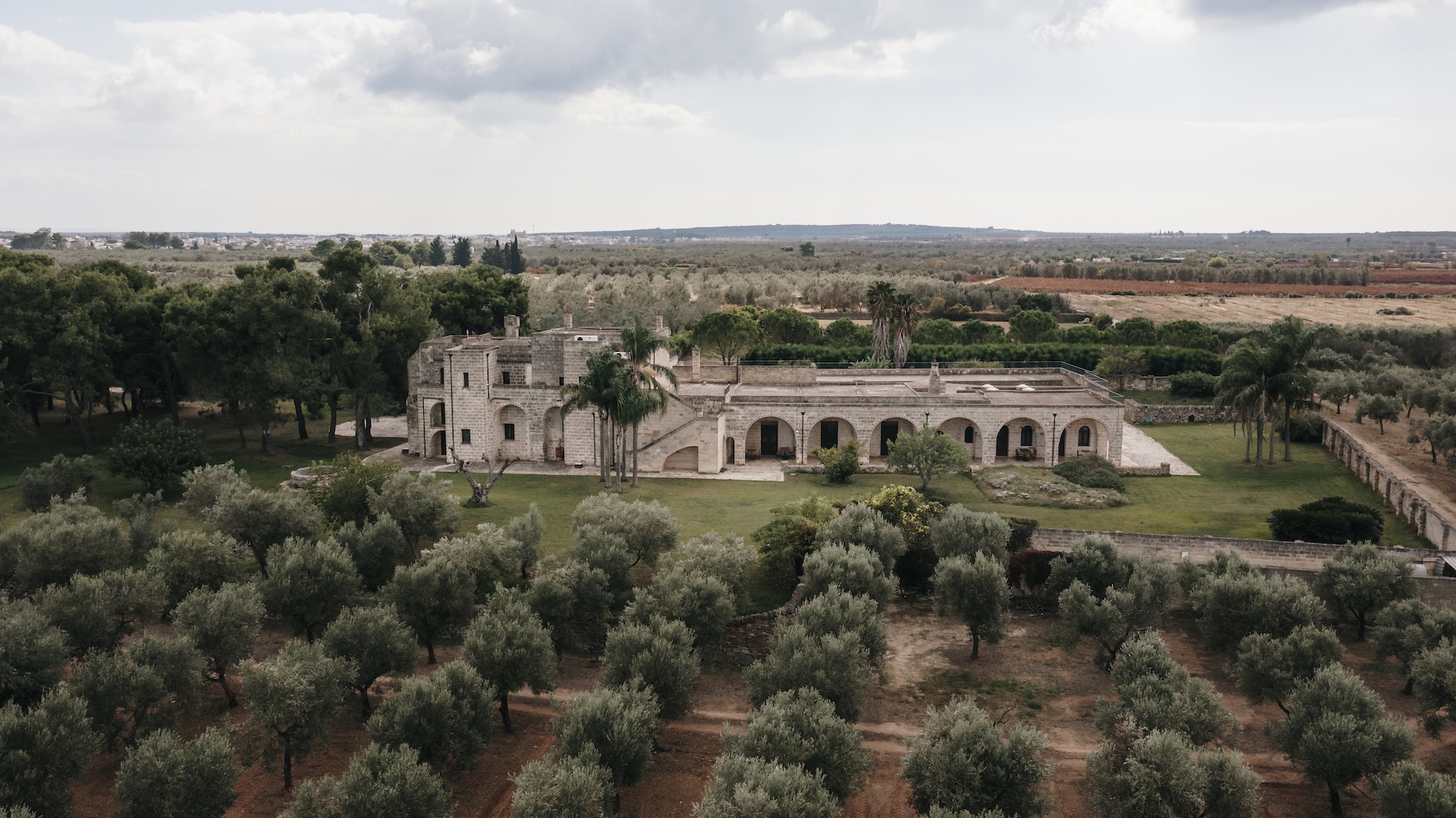
Set in the deep stillness of the Salento countryside, Masseria Strazzati is a place where time slows down and simplicity regains its value.

Rural Identity

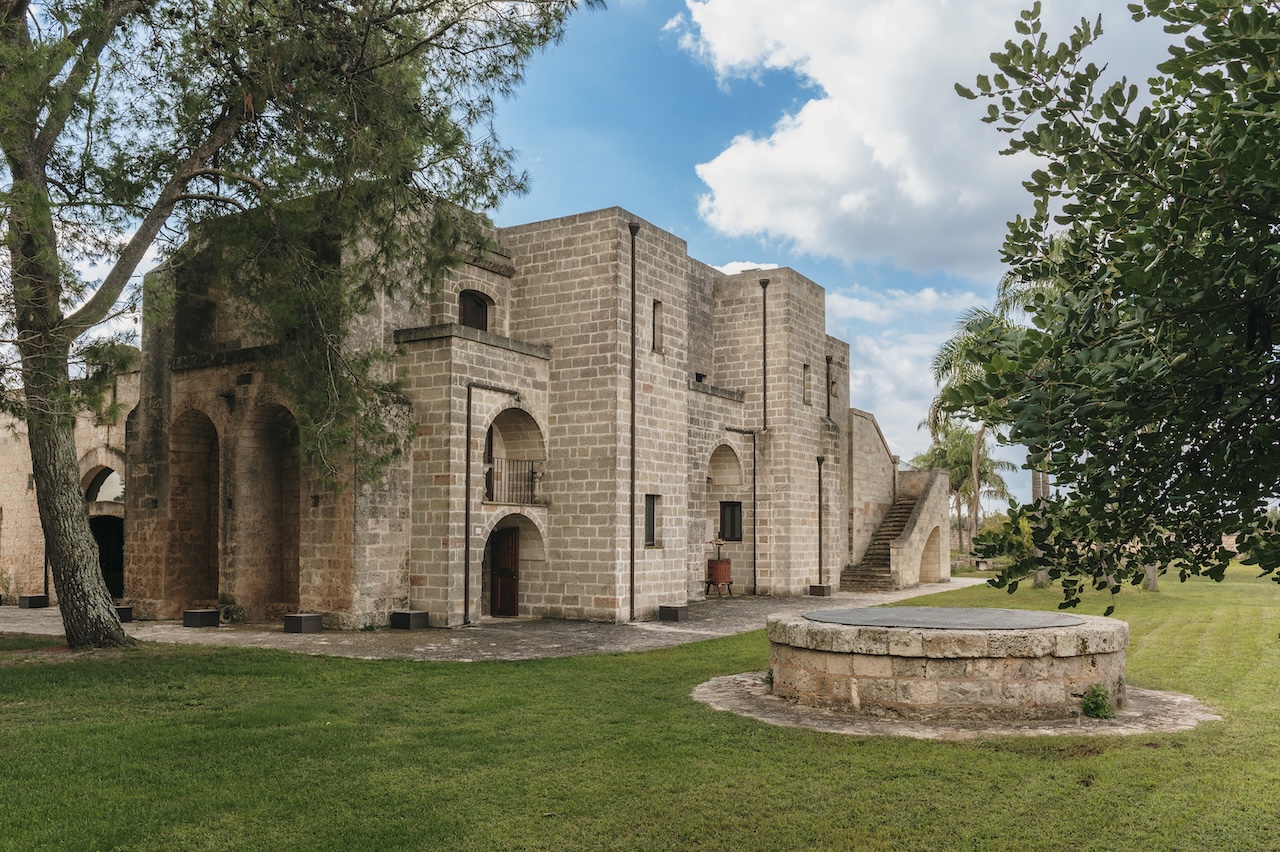
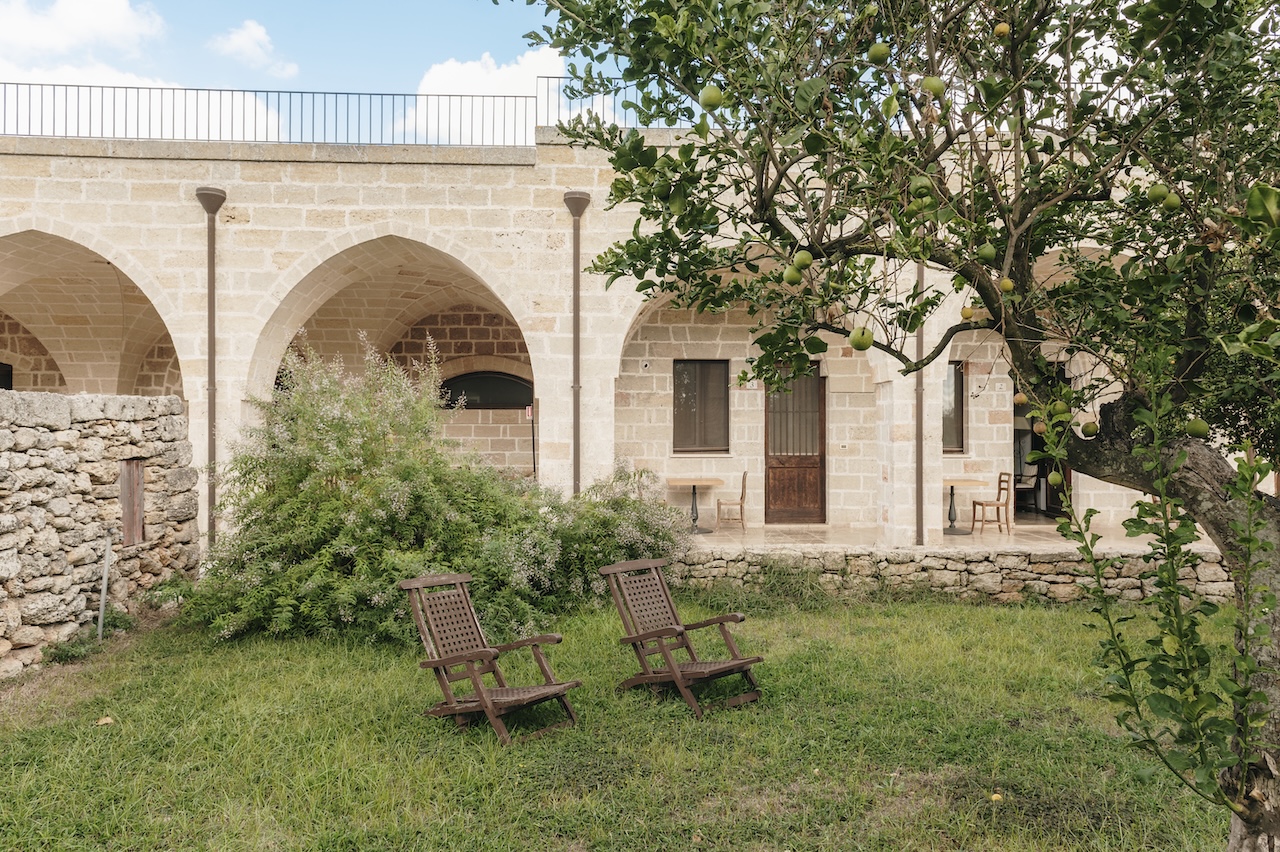
Once owned by the Piarist Fathers, this historic property has preserved its rural character: pale stone, porticoes opening onto the greenery, silences that guide the gaze, and essential spaces shaped by restraint and balance.

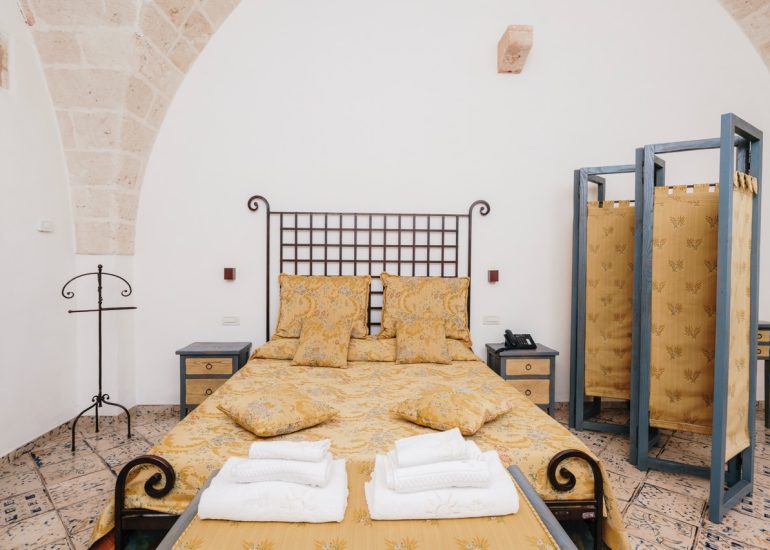
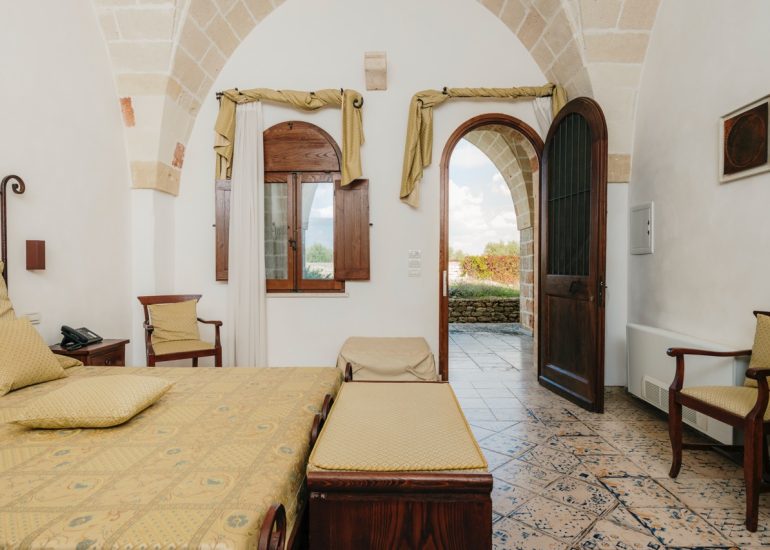
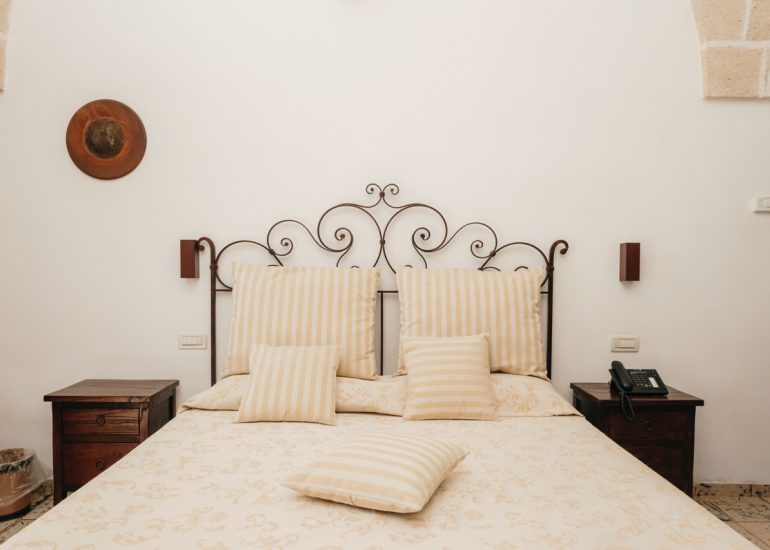
Each room is different from the next, a small, self-contained world of vaulted ceilings, decorated floors, furnishings inspired by Puglian tradition and warm tones that echo the surrounding land. The masseria offers the right setting for those seeking a restorative pause, a slow and informal stay, far from noise and close to nature.

Just a short walk away lies Masseria Bosco, where guests may access shared services such as the swimming pool, restaurant and tastings. Strazzati, however, remains a more secluded retreat, suited to those who wish to experience the Salento countryside in its quieter, more reflective form.

The Rooms

History

Religious origins and an ancient landscape

Masseria Strazzati stands in an area rich in archaeological evidence. The discovery of a hoard of Bronze Age axes confirms the long-standing human presence in this part of Salento. The earliest official records date back to the Catasto Onciario of 1752, where the masseria is listed as property of the Venerable College of the Schools of Piety in Casalnovo. The name is likely linked to the mission of the Piarist Fathers, who devoted themselves to the poor, the “strazzati” a dialect term referring to those who wore worn or tattered clothes.

The Piarist Fathers and agricultural development

The masseria came into the possession of the Piarist Fathers in 1681, following a donation by the Carrozzo family, a noble household from Manduria closely connected to the religious order. The Fathers built a chapel dedicated to Saints Peter and Paul, organised the spaces for agricultural use and occupied several rooms adjoining the place of worship. With the suppression of religious orders during the Napoleonic period, the masseria was confiscated. In the nineteenth century it passed first to the Duke of Otranto and later, in 1832, to Michele Pasanisi of Manduria, marking the beginning of a new agricultural phase.

From the twentieth century to contemporary restoration

In the 1933 census, Masseria Strazzati appears as a large rural complex comprising stables, hay stores, dwellings and water cisterns a simple yet functional structure, fully integrated into the agricultural landscape of its time. After years of farming use and periods of quiet abandonment, the masseria was restored and brought back to life, retaining its original character: restrained, rural and unadorned. Today it welcomes guests with the same simplicity that has always defined it, offering a genuine experience of life in the Salento countryside.

The Historic Chapel

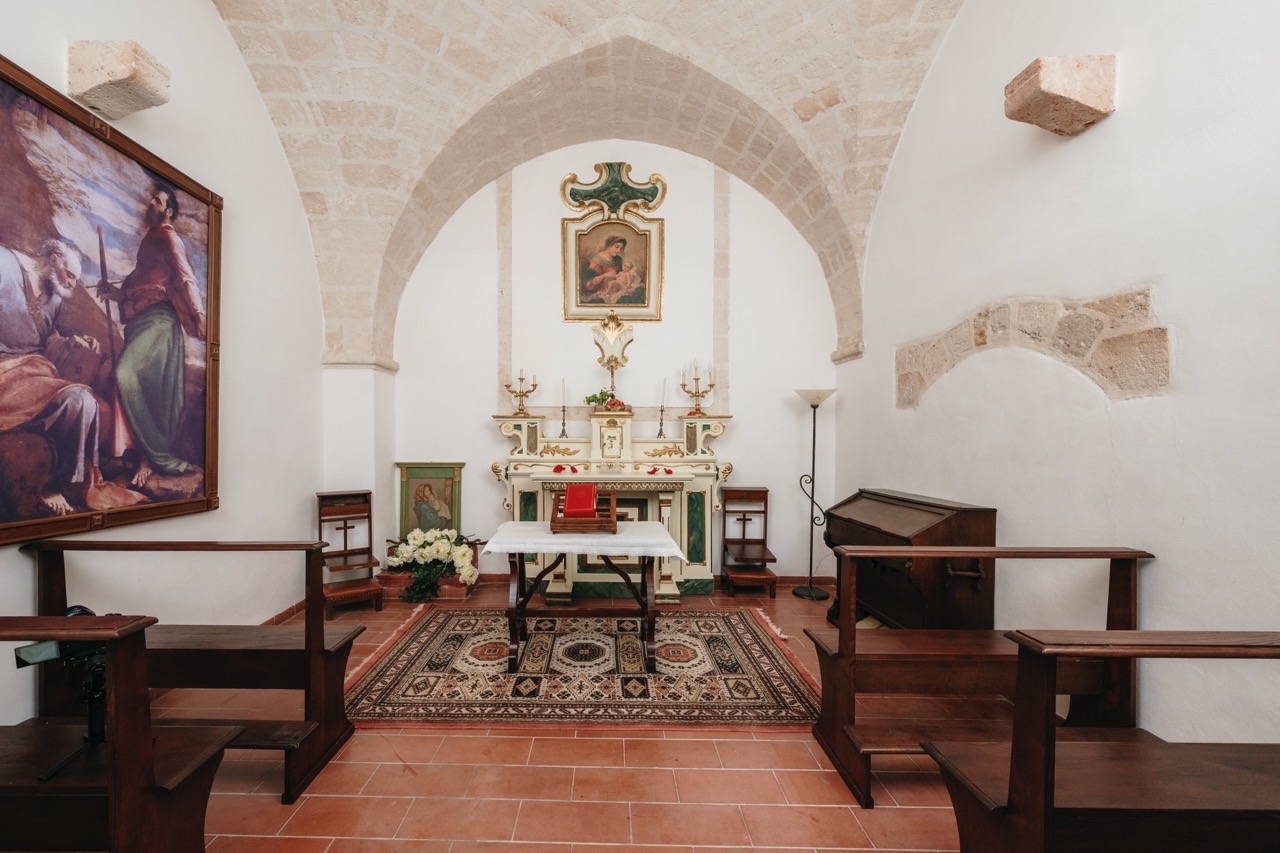
Within the masseria there is also a small chapel, a secluded space that still preserves the quiet charm of its past. On the main wall, a cartouche can be seen which once likely held a seventeenth-century fresco or painting, probably created by the Piarist Fathers who lived here. Outside, above the doorway, a carved stone cross watches silently over the entrance a simple and ancient sign of the chapel’s religious origins.

The reports of Monsignor Scaja (1754) and Monsignor Celaja (1777) confirm the presence, among the rural chapels of the Avetrana area, of a place of worship dedicated to Saints Peter and Paul, located precisely within the masseria of the Piarist Fathers. A discreet yet enduring legacy that speaks of centuries of devotion and religious life.

Today the chapel, officially recognised as a municipal venue, may also host civil wedding ceremonies, offering guests an intimate setting in which to celebrate special moments, surrounded by the stillness of the Salento countryside.

Check Availability

1 Room, 1 Adult, 0 Children
Rooms
Adults
Childrens
BookCall usContacts